How a TRT Clinic in La Jolla Creates Customized Treatment Plans

Testosterone replacement therapy works best when it is treated as medical care, not as a commodity. That distinction matters. Men do not arrive at a clinic with identical hormone patterns, identical symptoms, or identical goals. One patient may be a 42-year-old executive who feels mentally flat and cannot recover from workouts. Another may be 61, sleeping poorly, gaining abdominal fat, and noticing a steep drop in libido. A third may have normal total testosterone on paper but still struggle with symptoms tied to free testosterone, thyroid imbalance, elevated estradiol, or untreated sleep apnea. Put them all on the same protocol and at least one of them will be poorly served.
A well-run TRT clinic in La Jolla starts from that reality. The job is not simply to raise a lab value. The job is to understand the whole person, identify what is truly driving symptoms, and build a plan that can be adjusted safely over time. In practice, that requires more listening than many people expect, more testing than online ads suggest, and more follow-up than one-size-fits-all programs usually provide.
Why customization matters in TRT
Testosterone sits in the middle of a larger hormonal and metabolic system. When testosterone is low, patients may report fatigue, reduced strength, low motivation, irritability, decreased sexual function, or slower recovery after exercise. Those symptoms are real, but they are not specific to testosterone alone. Similar complaints can appear in men with chronic stress, poor sleep, insulin resistance, depression, certain medications, thyroid disorders, or heavy alcohol use.
That is where customization begins. A credible clinic does not assume every tired man needs testosterone. It sorts through competing explanations and asks a more useful question: what combination of physiology, lifestyle, and medical history explains this patient’s symptoms?
This is also why rigid protocols often disappoint patients. The internet has made hormone therapy sound simple, almost plug-and-play. In reality, two men with the same total testosterone level may need different care. One may benefit from TRT. Another may need weight loss, sleep treatment, or a medication review before hormones are even considered. If treatment begins, the dose, delivery method, monitoring schedule, and supportive guidance should reflect those differences.
The first visit is usually more revealing than the lab slip
Men often contact a clinic after seeing a low testosterone number from a routine panel. Sometimes that number is meaningful. Sometimes it is incomplete. Testosterone fluctuates with sleep, stress, illness, body fat, and time of day. A single afternoon result does not tell the whole story. Morning testing, repeat confirmation when appropriate, and symptom correlation are all part of good medical judgment.
At the first appointment, the best clinicians go wider than many patients expect. They ask when symptoms started, whether they came on gradually or suddenly, and what else changed around that time. A thoughtful intake usually explores sleep quality, snoring, alcohol use, fertility goals, prior anabolic steroid exposure, workout habits, body composition changes, mood, medications, and any history of cardiovascular disease.
Those details can shift the treatment plan significantly. A man with severe snoring and daytime exhaustion may need evaluation for sleep apnea because untreated apnea can worsen fatigue, complicate TRT management, and increase long-term risk. A patient who wants future fertility may need a different discussion entirely because standard testosterone therapy can suppress sperm production. Someone with a history of polycythemia, blood clotting concerns, or difficult blood pressure control may require a more conservative approach and tighter monitoring.
This is where experienced clinicians separate themselves. They are not just collecting boxes on a form. They are looking for patterns, contradictions, and practical constraints. If a patient travels every week for work, a daily treatment method may be less realistic than a weekly schedule. If he has strong needle aversion, that matters. If he is highly sensitive to hormone fluctuations, that matters too. Customization often starts with these ordinary, human details.
Lab work is broader than testosterone alone
A customized TRT plan depends on meaningful baseline data. Total testosterone matters, but it is not the only number that guides care. Most responsible evaluations include some combination of free testosterone, sex hormone-binding globulin, estradiol, luteinizing hormone, follicle-stimulating hormone, complete blood count, comprehensive metabolic panel, lipid markers, prostate-specific antigen when clinically appropriate, and thyroid-related testing if symptoms suggest it.
That broader lens helps answer several practical questions. Is the problem primary testicular underproduction or a signaling issue upstream? Is the patient already running a high hematocrit before treatment begins? Are liver function, kidney function, and cardiometabolic markers stable enough to proceed comfortably? Could altered SHBG be making total testosterone misleading? Is estradiol likely to become an issue once therapy starts, or is it already elevated because of higher body fat and aromatization?
Lab interpretation also requires context. It is easy to overreact to isolated values. A mildly high hematocrit in a dehydrated patient is not the same as a persistent upward trend after months of TRT. A borderline estradiol value in a symptom-free patient does not automatically need intervention. This is where clinic philosophy matters. The best programs treat numbers as clinical tools, not as targets to chase for their own sake.
Different delivery methods suit different patients
One of the clearest signs of a personalized approach is how the clinic chooses the treatment method. There is no single best format for every patient. Injections, topical gels, creams, and other options each have advantages and trade-offs.
Injections are common because they can be cost-effective, predictable, and easy to monitor once the patient settles into a routine. But even within injectable therapy, details matter. A patient who feels peaks and crashes on larger weekly doses may do better with smaller, more frequent injections. Another may prefer the simplicity of once-weekly dosing and feel perfectly stable on it. Subcutaneous injections may be more comfortable for some men than intramuscular injections, though not everyone responds identically.
Topical treatments can work well for patients who want to avoid needles, but they demand consistency and attention to transfer risk. Men with young children or close skin-to-skin contact at home need careful counseling about application and exposure. Some absorb topicals reliably. Others do not. A clinic that customizes care will explain those variables honestly instead of pushing whichever format is easiest to sell.
There is also the issue of patient temperament. Some men do better with hands-on routines and precise tracking. Others need a plan simple enough to follow even during busy weeks. Adherence is not a minor concern. The most elegant protocol fails if the patient cannot live with it.
Dose selection is more nuanced than patients expect
One of the most common misconceptions about TRT is that there must be a standard starting dose that fits nearly everyone. In practice, starting dose selection is a balancing act. The clinician considers baseline labs, body size, symptom burden, aromatization risk, age, prior hormone exposure, sensitivity to fluctuations, and how frequently the patient trt clinic La Jolla is willing to dose.
A conservative start often makes sense. Patients may want immediate symptom relief, but overshooting early can create avoidable side effects such as acne, breast tenderness, fluid retention, irritability, or rising hematocrit. Starting with a measured dose and adjusting based on follow-up labs and symptom response is usually smarter than trying to force fast results.
This is one area where experience matters quite a bit. Some patients are highly responsive and feel substantial improvement on modest dosing. Others need more time and fine-tuning before energy, libido, or cognitive clarity begin to improve. If a clinic promises the same timeline and same results to everyone, that is a warning sign. Hormone therapy is rarely that neat.
A customized plan also considers what not to prescribe
Good medical care is often defined by restraint. Not every abnormal lab warrants another medication. Not every side effect should trigger a reflex prescription. In TRT management, this comes up often with estrogen control and add-on therapies.
Some clinics are quick to prescribe aromatase inhibitors at the first hint of estradiol concern. That can create its own problems. Estradiol is not the enemy. Men need it for libido, mood, joint comfort, and bone health. A clinician who customizes care looks at symptoms, lab timing, dose structure, and body composition before adding another drug. Sometimes the better move is simply to lower the testosterone dose or split it into more frequent injections.
The same principle applies to hCG or fertility-preserving strategies. These tools can be useful in the right situation, especially when maintaining testicular function or fertility matters. But they are not automatic for every patient. trt clinic La Jolla The decision should follow the patient’s goals, not a clinic package.
Follow-up is where personalization becomes real
The initial plan matters, but follow-up determines whether that plan actually works. Most adjustments in TRT happen during the first several months, when the clinic is learning how the patient responds. This is the stage where symptoms, labs, side effects, and patient feedback need to be weighed together.
A clinic that takes customization seriously does not just ask, “Do you feel better?” It asks more precise questions. How is morning energy compared with six weeks ago? Has libido improved, and is erectile function changing with it? Are you recovering better from training? Has sleep changed? Any increase in blood pressure, acne, flushing, headaches, or mood volatility? Are there signs of over-treatment, under-treatment, or simple inconsistency in use?
Practical timing matters too. Follow-up lab timing should match the delivery method so results mean something. For injectable therapy, where the lab is drawn relative to the injection can change interpretation. A clinician who understands TRT will explain why that timing matters and will try to keep it consistent from one check-in to the next.
This is often where a strong TRT clinic in La Jolla stands apart from lower-touch telehealth models. The issue is not that remote care cannot work. It often can. The issue is that good hormone management depends on nuance, and nuance is easier to practice when follow-up is structured, accessible, and clinically grounded.
Lifestyle factors shape the final outcome
TRT can help when used appropriately, but it is not a substitute for sleep, nutrition, resistance training, or stress management. In fact, poor habits can blunt or complicate the benefits of therapy.
A man sleeping five hours a night, drinking heavily on weekends, and training erratically may still see some benefit from TRT, but he is unlikely to feel the full upside. Worse, he may attribute every lingering symptom to dosing when the bigger issue is recovery debt and metabolic strain. A clinic that customizes treatment plans should be willing to address that directly, even when it is not the most comfortable conversation.
The same goes for body composition. Men with higher body fat often convert more testosterone to estradiol, which can complicate symptom control. That does not mean they cannot be treated. It means the plan may need more attention to dose structure, nutrition support, and realistic expectations. Sometimes the best outcomes come from combining TRT with gradual fat loss rather than trying to medicate around every downstream effect.
I have seen this play out repeatedly in practice settings. The men who do best long term are rarely the ones chasing the highest possible testosterone number. They are the ones who treat TRT as part of a broader health plan. They sleep better, lift consistently, manage alcohol, follow up on labs, and speak up early when something feels off. Hormone therapy amplifies that discipline. It does not replace it.
Edge cases that require extra care
Some patients need more individualized planning because the usual path carries additional risk or uncertainty. Older men with multiple chronic conditions may still be candidates for TRT, but the threshold for caution is higher. Men with untreated sleep apnea, uncontrolled hypertension, significant erythrocytosis, or complex cardiovascular histories need careful screening and monitoring. The question is not simply whether testosterone is low. The question is whether the full risk-benefit picture supports treatment and under what conditions.
Fertility is another major edge case. Many men are surprised to learn that testosterone replacement can reduce sperm production, sometimes significantly. For a 30-something patient who wants children in the near future, that issue can outweigh everything else. A customized clinic does not bury that detail in fine print. It addresses it early and clearly.
Then there are men whose symptoms do not improve despite “good” hormone numbers. This is frustrating but not rare. Sometimes the problem is unrealistic expectations. Sometimes the dose is wrong. Sometimes testosterone was only one piece of the puzzle, and the larger issue turns out to be depression, burnout, sleep disruption, thyroid disease, medication effects, or chronic inflammation. A clinic committed to personalized care will re-evaluate instead of just escalating treatment endlessly.
What patients should notice in a well-designed plan
A customized TRT plan should feel measured, not rushed. The patient should understand why treatment is being recommended, what alternatives were considered, what side effects are possible, and how follow-up decisions will be made. He should not feel pressured into a prepackaged program before his baseline evaluation is complete.
There are a few signs that the process is being handled properly. The clinic asks detailed questions rather than focusing only on a low lab result. It orders enough testing to understand the broader picture. It explains the pros and cons of different delivery methods in plain language. It sets expectations that symptom improvement may be gradual and uneven. It monitors labs at sensible intervals and adjusts based on both data and lived response.
Just as important, a good clinic is comfortable saying no. If the patient is a poor candidate right now, or if another diagnosis needs attention first, that is part of ethical care. Men usually respect that when it is explained clearly. Most are not looking for a sales pitch. They are looking for clarity, energy, and a plan that makes sense.
Why local expertise still matters
La Jolla tends to attract patients who are health-literate, active, and accustomed to asking detailed questions. That can be a real advantage in TRT care because informed patients often do better with shared decision-making. They want to know why one injection schedule is chosen over another, what a hematocrit trend means, or whether a symptom reflects hormone imbalance or something else entirely. Those are good questions, and a serious clinic should welcome them.
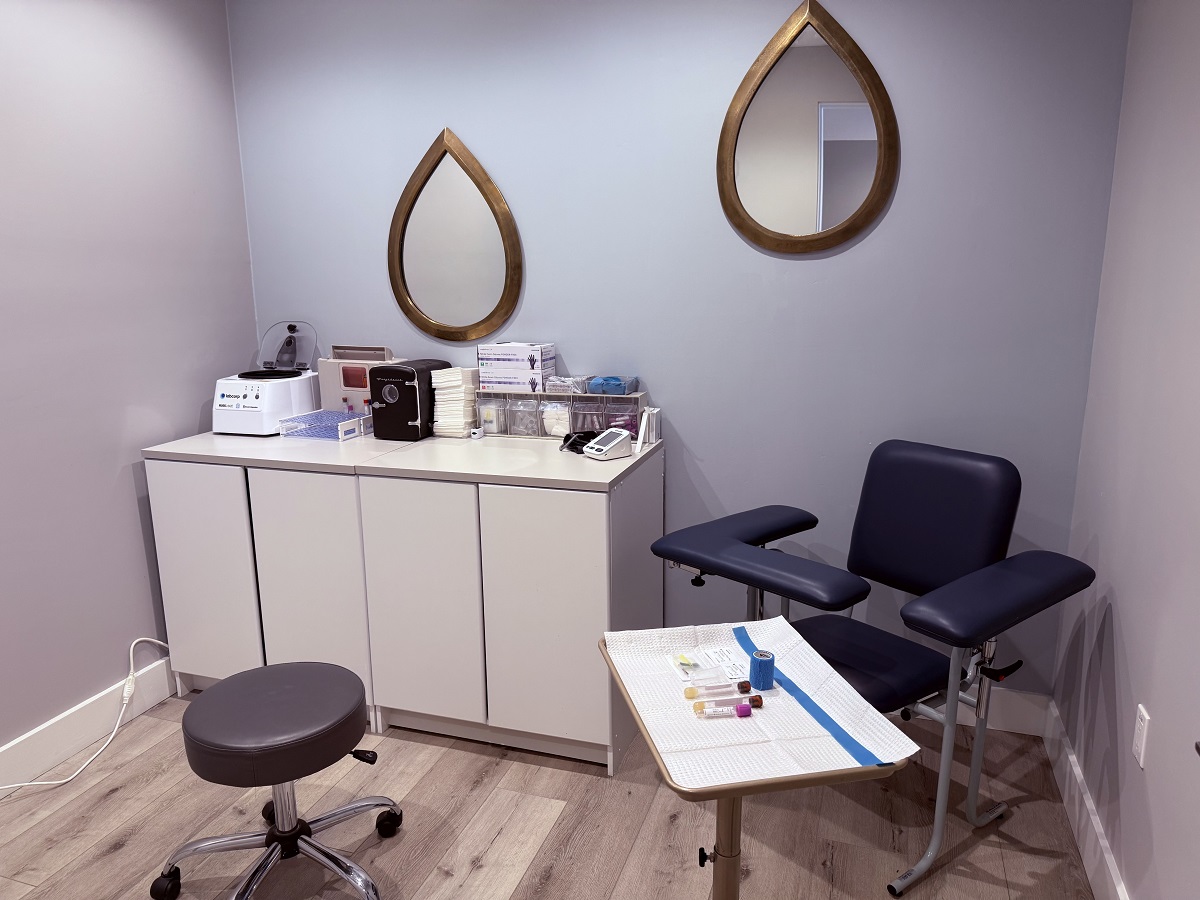
A local clinic also has practical advantages. In-person vitals, phlebotomy coordination, physical examination when needed, and continuity with the same clinician all improve the quality of decision-making. That does not mean every visit must happen face to face. It means the care model should make room for nuance and accountability.
For patients searching for a trt clinic La Jolla, the real differentiator is not branding or promises of optimization. It is whether the clinic can build an individualized plan that holds up after the first month, after the first lab recheck, and after the initial enthusiasm wears off. Sustainable TRT care is rarely flashy. It is attentive, iterative, and grounded in medicine.
The best treatment plans evolve
No good TRT plan is static. Hormones shift. Body composition changes. Stress changes. Sleep changes. A dose that worked beautifully six months ago may need adjustment after weight loss, altered training volume, new medication use, or a major life event. That does not mean the therapy is failing. It means the patient is a moving target, which is exactly why personalization matters.
The clinics that do this well tend to share a certain mindset. They do not chase perfect-looking spreadsheets. They focus on symptom relief, safety, consistency, and long-term function. They know when to intervene and when to leave a stable patient alone. They understand that numbers matter, but so does how a man performs at work, how he feels in the gym, whether he sleeps through the night, and whether his relationships improve.
That is the real promise of individualized TRT care. Not a miracle. Not a shortcut. A disciplined process that respects biology, pays attention to the person in front of it, and adjusts with judgment over time. When a TRT clinic in La Jolla approaches treatment that way, the plan stops being generic hormone replacement and becomes what it should be from the start, personalized medicine.
SDBody La Jolla
7710 Fay Ave, La Jolla, CA 92037
+1 858-401-2383
FAQ About trt clinic La Jolla
How much should my TRT cost?
TRT costs depend on the clinical evaluation, medication, laboratory testing, and follow-up plan. Ask for an itemized estimate that includes the initial visit and ongoing monitoring. SDBody La Jolla can explain its current fees after discussing the services being considered.
Will Insurance Pay for TRT in La Jolla?
Coverage depends on your plan, diagnosis, prescribed treatment, and provider network. Ask your insurer about medical necessity requirements, prior authorization, laboratory coverage, and out-of-pocket costs. Confirm SDBody La Jolla's billing arrangements directly; insurance payment is not guaranteed.
Is TRT safer than steroids?
Testosterone is itself an anabolic steroid. Clinician-prescribed replacement for confirmed testosterone deficiency differs from nonmedical steroid use, but it still carries risks and requires monitoring. Possible concerns include increased red blood cell levels and reduced sperm production. Discuss your medical history and fertility goals with a qualified clinician before considering treatment.